Japan private tour insights into Japan favorite food: ramen!
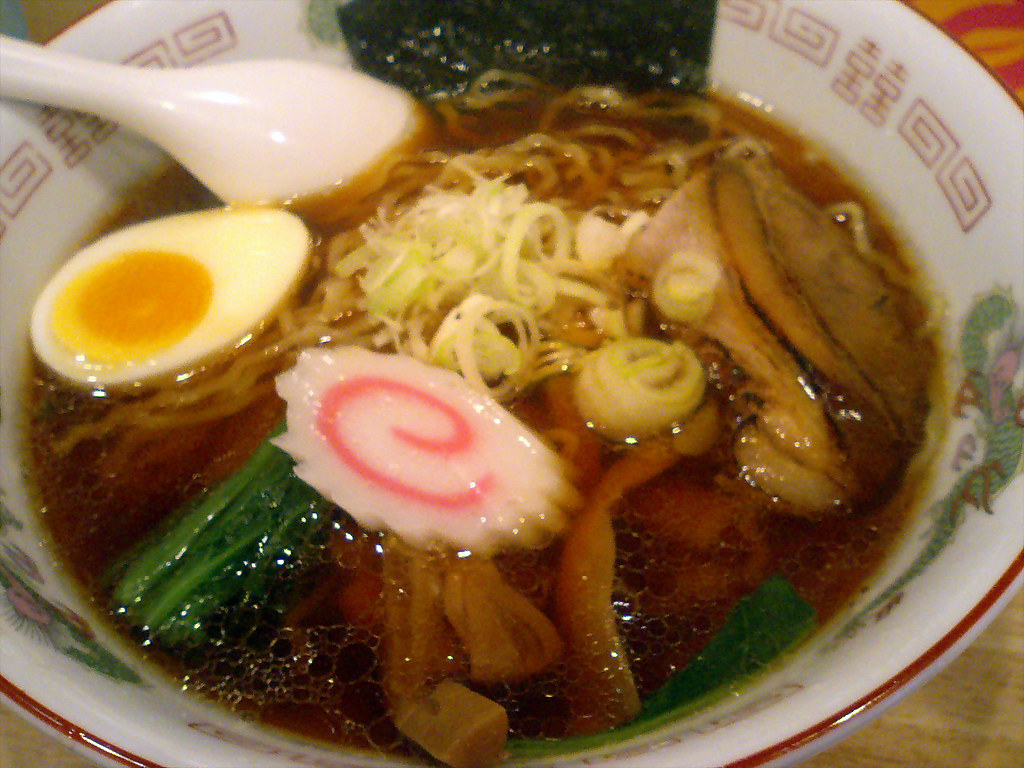
There is probably no food in Japan that generates strong opinions, preferences and local variations as ramen does. Ramen is both food and comfort food. And it is something people pretty much obsess over. You could almost say that before international foodie culture took off that there were Japanese ramen foodies.
Every year, a city in Japan is named the ramen capital. And in 2024 the winner was Yamagata City (in Yamagata Prefecture) for the third year in a row. Yamagata City, a little over 300 km north of Tokyo, has a population of 240,000. The city has 230 ramen restaurants, which is the highest per capita in Japan. Some of these ramen joints open during breakfast hours. Yamagata locals don't say "Where are we going for dinner?" Instead, they want to know which ramen restaurant they will have dinner at. In 2024, households in Yamagata spent more money eating out on ramen than any other city in Japan.
Ramen is not exactly health food. It is healthy fare, but it also has a very high salt content. And too much salt in one's diet can shorten your life in all kinds of ways! So, do bear this in mind! Some types of ramen are less salty than others.
Ramen also isn't something Japan invented nor is it an ancient Japanese food. Ramen first arrived in Japan from China during the "international" Meiji period (1868-1912). The dish only became widely popular in Japan after World War II when Japanese soldiers returned from their occupation of China with countless stories of how ramen kept them going during the war. These stories made ramen a food that kept you going when the going got hard.
Yamagata's ramen culture was kick started by the massive 1923 Tokyo area earthquake. After the quake many ramen cooks left Tokyo and brought their ramen knowhow to other cities in Japan. Yamagata was one of these cities.
Yamagata is also known for its very challenging winters. And nothing gets you through the miseries of deep winter like a bowl of perfect ramen!
The rest of this post covers:
Japan private travel content by Your Japan Private Tours' (established in 1990) founder Japan travel expert Ian Martin Ropke. I have been planning, designing, and making custom Japan private tours on all five Japanese islands since the early 1990s. Your Japan Private Tours specializes in bespoke travel for private clients (I do not work with agents) including exclusive excursions, personalized experiences, and unique adventures. I am 100% client-centric and total individual attention. Consider my Japan travel services for your next trip. And thank you for reading my content. Learn more!
Ramen basics from ingredients to toppings
A bowl of ramen is created using five essential ingredients.
Dashi broth: The base stock is typically made from chicken, pork, beef, or fish bones. [Note: since the beginning of the 21st century, there are many ramen restaurants on the tourist trail in Japan that offer vegan or vegetarian ramen.] In some areas or ramen restaurants other things are added to the dashi broth. These ingredients include kelp (kombu) or dried sardines (niboshi). Ramen dashi broth is characterized as clear (chintan) or cloudy and rich (paitan), depending on the preparation method.
Tare seasoning sauce: A concentrated sauce added to the broth to give it's characteristic salty flavor. These tare sauces are generally made from shoyu (soy sauce), shio (salt), or miso (fermented soybean paste).
Koumi-abura oil: A flavored fat or oil (e.g., lard, garlic oil, chili oil) adds richness and aroma to a bowl of ramen.
Ramen noodles: Ramen noodles are made using wheat flour, salt, and kansui (alkaline mineral water). The alkaline mineral water is what gives ramen noodles their distinctive springy, chewy texture, and yellowish color. Ramen noodles vary in thickness (thin, thick, ribbon-like) and shape (straight or wavy) depending on regional preferences or a particular ramen restaurant's preference (usually because of where the owner was born and raised).
Ramen toppings: Ramen toppings add texture and flavor to the dish and vary widely across Japan. Popular ramen toppings include: chashu: tender slices of braised or roasted pork belly; ajitama: Marinated, soft-boiled egg; menma: Seasoned bamboo shoots; negi: chopped green onions or leeks; nori/wakame: sheets of dried seaweed or fresh seaweed; naruto/kamaboko: slices of steamed fish cake, often characterized by a pink spiral design.
Ramen comes in many forms. The most popular ramen types in Japan are:
Shoyu (soy sauce) ramen: The most common and oldest type, generally featuring a clear, brown broth with a chicken or fish stock base flavored with soy sauce.
Shio (salt) ramen: A light, clear, yellowish broth seasoned with salt, often using a chicken or seafood base, known for its delicate flavor.
Miso (fermented soybean paste) ramen: Originating in Hokkaido, this style uses soybean paste blended into a hearty broth (often pork or chicken-based) for a thick, rich, and robust flavor. It is often topped with butter and corn.
Tonkotsu (pork bone) ramen: Particularly popular in Kyushu, this style is known for its rich, cloudy, milky-white broth made by boiling pork bones for hours until the collagen dissolves. It is often served with thin, straight noodles and simple toppings.
- Indexed full list of all my blog posts | articles.
- Indexed full list of all my Japanese culture essays.
Japan private travel content by Your Japan Private Tours' (established in 1990) founder Japan travel expert Ian Martin Ropke. I have been planning, designing, and making custom Japan private tours on all five Japanese islands since the early 1990s. Your Japan Private Tours specializes in bespoke travel for private clients (I do not work with agents) including exclusive excursions, personalized experiences, and unique adventures. I am 100% client-centric and total individual attention. Consider my Japan travel services for your next trip. And thank you for reading my content. Learn more!