Japan private tour insights for Mount Fuji's Yamanashi Prefecture & Kofu City
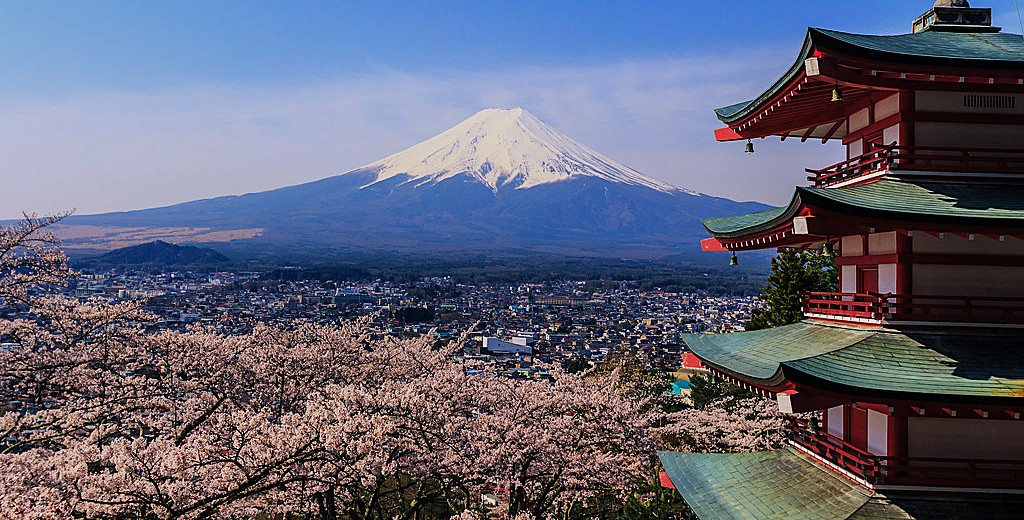
Yamanashi Prefecture doesn't ring many bells for most foreigners, but Mount Fuji does. Mount Fuji and the Fuji Five Lakes region are world-famous. But never forget that it takes nearly 2 hours (one way) to get near the base of Mount Fuji! So, if your Japan private tour trip is long enough definitely consider sleeping on Lake Kawaguchi, just north of the private Fujikyu railway terminus (and local bus line station).
A bit furth north of the Mount Fuji area lies the base of one of Japan's most famous samurai warriors, Takeda Shingen, which is now Kofu City, the capital of Yamanashi Prefecture. Kofu is also the birthplace of Japan's winery culture and continues to be one of the biggest wine production areas in Japan.
The rest of this post covers:
Japan private travel content by Your Japan Private Tours' (established in 1990) founder Japan travel expert Ian Martin Ropke. I have been planning, designing, and making custom Japan private tours on all five Japanese islands since the early 1990s. Your Japan Private Tours specializes in bespoke travel for private clients (I do not work with agents) including exclusive excursions, personalized experiences, and unique adventures. I am 100% client-centric and total individual attention. Consider my Japan travel services for your next trip. And thank you for reading my content. Learn more!
Top attractions in the Fuji Five Lakes Zone
The Fuji Five Lakes area is located near the northeast base of majestic Mount Fuji (covered here) and is extremely popular year-round (especially on weekends!) with domestic Japanese tourists and international tourists from all countries. The five lakes are Kawaguchiko, Saiko, Yamanakako, Shojiko and Motosuko.
Lake Kawaguchi is largest of the five lakes and also the location of the "best" hot spring ryokan inns and hotels. Accommodations that face Mount Fuji come at a premium but direct views from your rooms are really priceless in my opinion.
The Fuji Five Lakes area offers travelers all kinds of experiences ranging from hiking and fishing to history & culture. The area is full of hot springs, which can be experienced at your hotel or inn or as day bathing experience.
The Mount Fuji area (and Yamanashi Prefecture) is also famous for high-end and less expensive restaurants. The area cuisine specialty is Hoto noodle hot pot cuisine. The cuisine features thick dumpling-like wheat noodles in a miso soup, which is traditionally served in an iron pot.
Fuji Five Lakes area places & things to consider:
Kubota Itchiku Museum: Kubota Itchiku (1917-2003) revived the lost art of Tsujigahana silk dyeing, which was used to create elaborate kimono in the Muromachi Period (1333-1573). Kubota devoted his life to mastering this very labor-intensive silk dyeing technique. The Kubota Itchiku Museum is set in the wooded hills at the northeastern corner of Lake Kawaguchi. Oddly enough, the museum's buildings are made of Okinawan coral and limestone. The main gallery, however, is a huge timber frame structure. The grounds of the museum are extensive and home to more beautiful things and places.
Shibazakura Pink Moss Flower Festival: The annual Fuji Shibazakura Festival is famous for its shibazakura (pink, white and purple phlox moss). The festival is hosted at the Fuji Motosuko Resort. The festival is usually held between mid April and late May to early June depending on the year. The numerous stalls at the festival offer potted pink moss, flower-themed souvenirs, snacks and local farm products. Avoid visiting the festival on weekends and during the Golden Week holiday (late April to early May) and try to get to the festival in the morning when it opens to avoid the inevitable crowds.
Sengen Shrine: There are more than a thousand Fuji Sengen shrines across Japan, dedicated to Princess Konohanasakuya, the Shinto deity associated with Mount Fuji. Fujiyoshida Sengen Shrine is a key Sengen shrine and is located on the north side of Mount Fuji. The shrine is set in a dense cedar forest and approached along a path lined by stone lanterns. The shrine's main hall was established in 1615, In the old days, this shrine was the starting point for the pilgrimage route leads to the top of Mount Fuji. The ancient trailhead is still there and worth the effort for an hour or so.
Chureito Pagoda: The 5-story Chureito Pagoda (Note: pagodas are quite rare in Japan!) is part of Arakura Sengen Shrine. Though this pagoda was only constructed in 1963 (as a peace monument) it is an important destination for Fuji Five Lakes visitors. The pagoda offers amazing views of Mount Fuji with the pagoda in the foreground (along with cherry blossoms in spring and maple leaves in autumn!). As you would expect, the pagoda is a very famous place for amateur and expert photographers!
Iyashi no Sato: The Iyashi no Sato open-air village, on the western shores of Lake Saiko, offers superb value (I have used it for Japan private tour clients for nearly 20 years now). The site's original farming village was obliterated by a massive typoon (August) landslide in 1966. In 2006, the village's numerous traditional thatched roofed houses were reconstructed to create an authentic traditional craft village tourist attraction. The village's 20 farmhouses are now shops, restaurants, and museums. The shops specialize in a wide range of Japanese crafts ranging from ceramics and incense to weaving arts. Watanabe House is a museum that showcases the daily life of the farmers who used to live in the region. You can also dress up in kimono or samurai armor at one house (including portrait photographs of those who dress up).
Three Mount Fuji caves you can explore safely: Over the millennia Mount Fuji's eruptions and lava flows have created many caves at the base of Mount Fuji's north side. Three of these caves are a short stroll from Iyashi no Sato village (see above). These caves have been turned into cave environments that don't require any special equipment, an expert guide, or any risk (but do note the interior of these caves can be slippery!). The Bat Cave was once a winter sleeping spot for bats (but not anymore) and is the largest cave by far (stretching nearly 400 meters underground). The Ice Cave was named for it's year-round frozen atmosphere (it was an important place to get ice in the old days). The final cave open to visitors is the so-called Wind Cave. It's the easiest to explore for the inexperienced. For the longest time the Wind Cave was used as natural storehouse refrigerator for acorns and silkworm cocoons.
Oshino Hakkai's eight pure water pond worlds: Oshino Hakkai is an elaborate historical-cultural tourist attraction that I frequently "sell" to Japan private tour clients sleeping in the area. The site is a short distance south of the east end of Lake Kawaguchi and you can get there on foot, by bicycle or in a minimum-fare taxi ride. The ponds are full of pure water that comes from the snowmelt from Mount Fuji. It takes nearly 100 years for snowmelt water to reach the ponds and thus the purity of the water. The ponds are very deep and home to a variety of freshwater plant and fish life. Oshino Hakkai is a place to stroll, drink the healing waters of the ponds and relax at the site's restaurants, souvenir shops and food sellers (mainly vegetables, sweets and crafts, including outdoor grills selling yaki-imo sweet potatoes and toasted rice crackers. The Hannoki Bayashi Shiryokan open-air museum runs along part of the largest pond and is home to a traditional thatched roof farmhouse where visitors can see ancient farming tools, samurai weapons, and other ancient artifacts.
The wine & history worlds of Yamanashi's Kofu City
Kofu City, the capital of Yamanashi Prefecture, is directly north of Mount Fuji (about one hour by taxi from the Fuji Five Lakes area). Kofu is a sunny mountain-surrounded valley, which made it perfect as the birthplace of Japanese wine cultivation. Kofu or Kai is rich in history and was the powerbase of Takeda Shingen, one of Japan's most celebrated samurai warriors.
High-value attractions in and near Kofu City:
Katsunuma Wineries: Kofu's Katsunuma is one of Japan's premier wine growing areas and also the oldest (established in the late 19th century during the Westernization period). Over a thousand years before the idea of wine became a thing in Japan the grapes of Kofu were introduced to the area (likely from China). The wineries of Katsunuma are still one of the biggest production areas for wine in Japan. The area is, as you would expect, a big tourist attraction for Japanese wine afficianados and those curious about wine in general. Today, the area is home to about 70 wineries, many have excellent wine shops and wine tasting experiences.
Nishizawa Keikoku gorge hiking: The Nishizawa Keikoku valley near Kofu is part of the Chichibu-Tama-Kai National Park. The park (which extends into Nagano Prefecture, Saitama Prefecture, and the outer edges of greater Tokyo City) is well-known for its mountain forests, rolling hills, and rushing river gorges. The 5-stage Nanatsugama-Godan-no-Taki is spectacular. Tokyoites flock to the Nishizawa Valley in all seasons but the autumn season is the busiest of all for the gorges stunning autumn foliage.
Shosenkyo Gorge hiking: The Mitake Shosenkyo Gorge, a short distance north of Kofu City, is considered to be one of the best in all Japan. It is also part of the Chichibu Tama Kai National Park (see above). Tokyoites love hiking along the Arakawa River to the picturesque Sengataki Waterfall. The river hike is also known for its animal-shaped rocks sculpted by the fast water of the gorge over thousands of years. On weekends from May to November the car road at the start of the Arakawa River hike is strictly for pedestrians and, believe it or not, horse-drawn carriages. When you get above the waterfall you will find a small hamlet full of souvenir shops, cafes, and the start of the Shosenkyo Ropeway. The ropeway is a great way to take in panoramic views of the Southern Japanese Alps and Mount Fuji (but only on crystal clear days; think late autumn and winter and luck!).
Takeda Shrine: Kofu City's Takeda Shrine was constructed on the former residence the city's ultra-famous samurai warrior lord (daimyo) Takeda Shingen. Takeda Shingen was known as the "Tiger of Kai" (Kai or Kofu City being the area he ruled from, which is the capital of modern Yamanashi Prefecture the subject of this post). He is famous in Japanese history for his genius tactical military prowess and fearless attitude. Takeda Shrine still has a few ruins of Takeda Shingen's villa and estate including stone walls and the moat that protected his home. The shrine is surrounded by forests and home to gardens and a Noh theater stage. The shrine's treasure house museum is full of amazing things that belonged to Takeda Shingen including armor, weapons, and other artifacts. Note: There is a fantastic bronze statue of Takeda Shingen on the south side of Kofu Station.
- Indexed full list of all my blog posts | articles.
- Indexed full list of all my Japanese culture essays.
Japan private travel content by Your Japan Private Tours' (established in 1990) founder Japan travel expert Ian Martin Ropke. I have been planning, designing, and making custom Japan private tours on all five Japanese islands since the early 1990s. Your Japan Private Tours specializes in bespoke travel for private clients (I do not work with agents) including exclusive excursions, personalized experiences, and unique adventures. I am 100% client-centric and total individual attention. Consider my Japan travel services for your next trip. And thank you for reading my content. Learn more!