Japan private tour travel tips for Fukuoka Prefecture Part 3
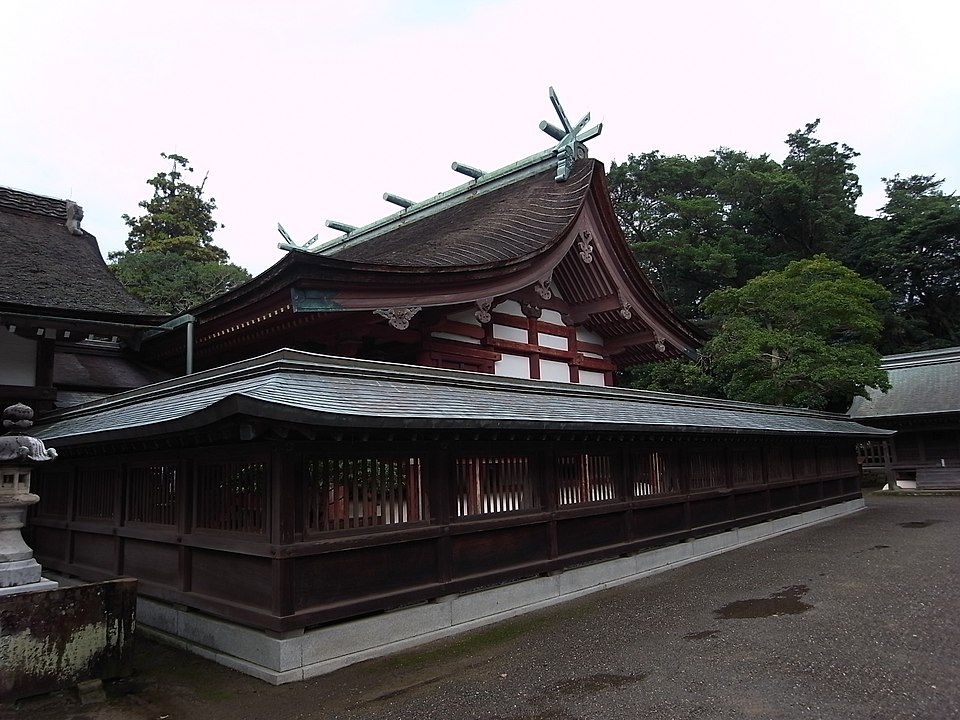
Fukuoka Prefecture is one of the oldest areas in Japan and is home to some of the oldest ports, settlements, and Shinto shrines in the country.
Munakata Taisha or Munakata Grand Shrine are three Shinto shrines located in Munakata City, about 30 km northeast of Fukuoka City on the coast. They are among the oldest shrines in all of Japan and their history was recorded in Japan's oldest historical texts (the Kojiji and the Nihon Shoki). Today, there are nearly 6,000 Munakata shrines in Japan. The three mother shrines were given World Heritage status in 2017.
In ancient times, these shrines were places of worship for maritime safety for fishermen and traders who did business with the Asian mainland. Today, these shrines also cover the safety of land travel for cars, trucks, motorcycles, and trains.
The original and oldest Munakata shrine is on the sacred island of Okinoshima and cannot be visited by the public. The island is on a key sea route to Korea and has been used to ensure maritime safety since the 4th century. Given its proximity to the Asia mainland, Munakata City flourished between the 4th and 9th centuries when business and cultural exchange with the mainland was at its peak. After the 9th century, the Heian court in Kyoto basically cut relations with the outside world, which were not resumed until the Zen samurai class started trading with China in the Kamakura period (1185-1333). The 9th century was also near the end of China's very international Tang dynasty period.
The two Munakata shrines that the public can visit are Nakatsu Shrine on Oshima Island and Hetsu Shrine on the mainland. Hetsu Shrine is the biggest of the three Munakata Shrines and also the easiest to get to for tourists and those hoping for traffic safety. Hetsu shrine is also home to the Shinpokan Museum, a treasure house of some of the oldest Shinto artifacts in Japan ranging from jewelry and glasswork to ceramics and Persian artifacts.
The rest of this post covers:
- Fukuoka's best onsen hot springs, spas and super sentos
- Great hiking trails to consider when you visit Fukuoka Prefecture
Japan private travel content by Your Japan Private Tours' (established in 1990) founder Japan travel expert Ian Martin Ropke. I have been planning, designing, and making custom Japan private tours on all five Japanese islands since the early 1990s. Your Japan Private Tours specializes in bespoke travel for private clients (I do not work with agents) including exclusive excursions, personalized experiences, and unique adventures. I am 100% client-centric and total individual attention. Consider my Japan travel services for your next trip. And thank you for reading my content. Learn more!
Fukuoka's best onsen hot springs, spas and super sentos
Like many big cities in Japan, Fukuoka City offers visitors great onsen hot spring opportunities as day trips and for overnight relaxation. Here are the best onsen to consider.
Mamushi-no-Yu: Mamushi-no-Yu, located in Itoshima just west of Fukuoka City, is named after one of Japan's well known poisonous snakes, the mamushi pit viper. For over 300 years the water at this hot spring have been effective in treating this snake's bite. Overall, this facility is large and has a wide variety of bathing options ranging from outdoor baths to wine or tea baths. They also have sauna baths that are hot and warm. The Japanese restaurant serves excellent food made with local ingredients.
Chikushino Tenpai-no-Yu: This hot spring is located southeast of Fukuoka City on the slopes of Mount Tempaizan. The views from the baths are amazing and the variety of baths offered here is extensive. The facility includes a natural food deli, a homemade sweets buffet, and a Japanese restaurant serving kaiseki course meals.
Honjo Natural Hot Spring Otogi-no-Mori: Located in the city of Kitakyushu, this hot spring is famous for making your skin smooth and silky. The hot waters here are rich in minerals that cleanse and detox. And you can choose from various massage treatments including Thai massage and aksuri body scrubs. This facility also serves a wide range of food including nabe hot pot, teppanyaki and simple Japanese home cooking dishes.
Teriha Spa Resort Moji Branch: This hot spring is right on the coast overlooking the Kanmon Straits that separate Kyushu from Honshu island. The spa's massive outdoor bathing areas has four distinctly different pools. The facility also offers dining and body-care options.
Yushin no Yu: Yushin no Yu is located in a forested section in Kurume town at the southern edge of Fukuoka Prefecture. It is categorized as a super sento spa and caters to a sense of luxurious day bathing. This hot spring facility is especially popular for its open-air bath. The waters are slightly sulphureous, which does wonders for your skin tone. They also have a Finnish sauna and a restaurant that serves set meals.
Wakita Hot Spring Yunozen no Sato: The Wakita hot spring area (a short distance northeast of Fukuoka City) is famous for its alkaline waters, known to be effective for external injuries, recovering from fatigue, rheumatism, and nerve conditions. And these waters are also said to do wonders for your skin. This facility has nine different outdoor baths. This onsen also offers family baths, each with its own atmosphere, for private family bathing. The restaurant serves dishes made with local produce from the surrounding mountains.
Great hiking trails to consider when you visit Fukuoka Prefecture
While Fukuoka Prefecture may not be home to the spectacular alpine terrains found in central Japan, there are plenty of hiking destinations to consider for nature immersion and exercise. Fukuoka’s mountains are accessible year-round, but the best times to hike are late spring and autumn.
Mount Shaka hike: Mount Shaka or Shakadake is the highest mountain in Fukuoka Prefecture and is located at the southern edge of the prefecture. You will need to rent a car or take a taxi to reach the trailhead in the village of Yabe. Yabe Village (Yabe-mura) was a historical village in Fukuoka Prefecture, Japan, known for its beautiful mountainous scenery and high-quality tea, particularly famous for Gyokuro tea. It merged with Yame City in 2010. The trail begins by crossing a miniature Golden Gate style suspension foot bridge that hangs 100-200 meters over the valley. The upper parts of the trail offer incredible views of the mountains of Fukuoka and Oita prefectures.
Mount Hiko hike: Located southeast of Fukuoka City, Mount Hiko is set in a large, forested zone and offers a wide range of hiking trails. The mountain has a couple of lovely Shinto shrines, big cedar trees and the remains of a mountain Buddhist sect.
- Indexed full list of all my blog posts | articles.
- Indexed full list of all my Japanese culture essays.
Japan private travel content by Your Japan Private Tours' (established in 1990) founder Japan travel expert Ian Martin Ropke. I have been planning, designing, and making custom Japan private tours on all five Japanese islands since the early 1990s. Your Japan Private Tours specializes in bespoke travel for private clients (I do not work with agents) including exclusive excursions, personalized experiences, and unique adventures. I am 100% client-centric and total individual attention. Consider my Japan travel services for your next trip. And thank you for reading my content. Learn more!