Japan private tour news about Japan's Sui Collection and a typhoon wind turbine
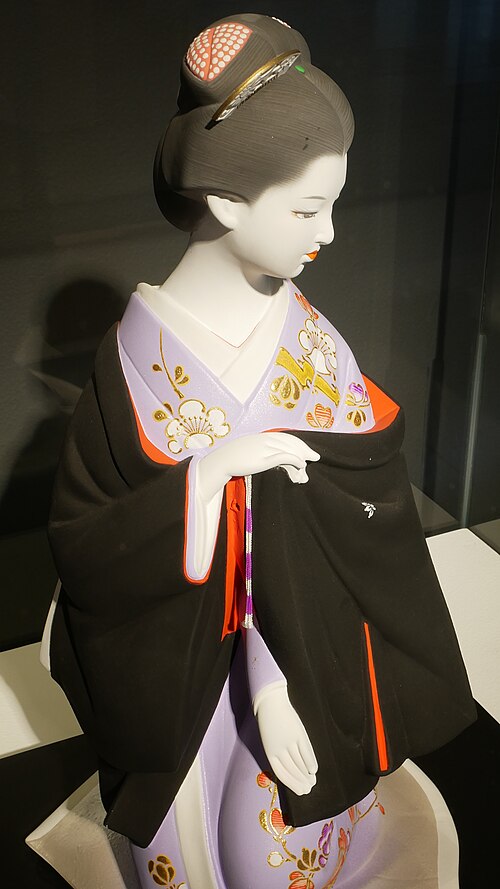
The Sui Collection is the Japanese government's way of showing the world that Japan's exquisite craftsmanship and culinary excellence are unique and unrivaled luxury products. And in some ways these products can only be experienced to be understood (i.e., they are beyond explanation). The word "sui" in Japan's means excellent elegance and is considered to be the ultimate aesthetic refinement in Japanese culture. It is also important to note that the Japanese language did not differentiate between art and craft until the country began to rapidly Westernized from the end of the 19th century onwards.
The Sui Collection clearly emphasizes that tradition is a living and evolving process, which is hard to argue against. If a tradition is not evolving then it has died and becomes something for museum exhibitions. As it true with the arts and crafts of ancient Italy (and elsewhere), to survive traditions must find ways to stay relevant in modern life. For example, Japan's excellent samurai swords are no longer in use by the general Japanese population as swords. However, sword craftsmanship continues to live in the best Japanese kitchen knives. For ancient craft (and art) traditions to thrive they must continue to evolve into things that people find useful and beautiful. Ceramic light shades. Lacquered surfboards.
The Sui Collection's ultimate potential lies in inviting the world to come to Japan to see for themselves how the country's exceptional range of art and craft traditions are evolving.
Here are the current art and craft forms featured in the Sui Collection:
Tsugaru lacquerware, Aomori: Made with Japanese cypress, Tsugaru lacquerware requires approximately 50 steps to reach the final product. Tsugaru lacquerware (Tsugaru-nuri) is special for its unique, incredibly durable, multi-layered finish achieved through the painstaking Togidashi Kawari-nuri technique. This technique involves dozens of lacquer layers that when polished reveal deep, complex patterns and designs, making it both robust for daily use and a stunning work of art, unlike most lacquerware where patterns are simply painted onto the surface.
Iwate wagyu beef, Iwate: Iwate Wagyu beef, from Japan's Iwate Prefecture, is renowned for its exceptional quality, often featuring delicate snow-white marbling (shimuri) and rich flavors, with varieties like the leaner but flavorful Iwate Shorthorn being a unique regional specialty alongside Japanese Black strains.
Sendai tansu wooden cabinets and chests, Miyagi: Sendai tansu wooden cabinets and chests are masterpieces of functional artistry, an exquisite embodiment of meticulous craftsmanship that merges form and function. Characterized by impeccable woodwork and design, these furniture pieces are a testament to Japan's craft perfection work ethic. They are versatile storage pieces, intricately structured with drawers, sliding doors, and compartments.
Kawatsura lacquerware, Akita: Kawatsura lacquerware is special for its unique Hana-nuri (flower finish), a final coat of thick lacquer left unpolished to enhance the object's natural luster and texture. This type of lacquerware becomes more beautiful with use. Its distinguishing features include exceptional durability from repeated undercoats (often with persimmon tannin and charcoal), a soft feel, lightweight nature, and practical resistance to heat, oil, and bacteria.
Hiraizumi Honpo sake, Akita: Hiraizumi Honpo's sake is special due to its deep historical roots (the oldest sake made in the Tohoku region), and its unique Yamahai brewing method involving Mount Chokai spring water and innovative yeast strains. These sakes are known for their food pairing versatility, strong character, and a balance of sweet/sour notes.
Kaba Zaiku bark crafts, Akita: Kaba Zaiku bark crafts are unique and draw on the natural properties of Yamazakura (mountain cherry tree) bark. Kaba Zaiku is the only craft of its kind in the world utilizing the bark of the wild cherry tree, known for it natural, deep reddish-purple color and a unique luster that shines like lacquer when polished. Mountain cherry tree bark is naturally rich in oil, giving it a strong resistance to moisture and drying, as well as antibacterial properties.
Yamagata wagyu beef, Yamagata: Yamagata wagyu beef is produced in an area where summers are hot and winters are cold. Yamagata beef cattle are raised on small-scale farms and fed with premium local feed (like Tsuyahime rice). This luxury beef form is known for its incredibly fine marbling, a buttery, melt-in-your-mouth texture, and a distinct, sweet savory flavor.
Mumyoi ware ceramics, Niigata: Mumyoi ware is a type of ceramic made by firing clay creations at a high temperatures. It is extremely solid, and produces a clear, metallic sound when flicked.
Wajima nuri lacquerware, Ishikawa: Wajima-nuri lacquerware is famous across Japan for its exceptional durability, rich luster, and intricate craftsmanship. Wajima lacquer is made through a unique, multi-stage process using local materials like diatomaceous earth (jinoko) for a strong base and hemp cloth (nuno-kise) for reinforcement, resulting in heirlooms that can last generations and are designated as Japan's finest lacquerware tradition.
Kutani ware ceramics, Ishikawa: Kutani ware ceramics are known for their signature, vibrant overglaze enamels, especially the Kutani Gosai five colors: green, yellow, purple, red, and navy blue. These colors are applied in bold, intricate designs over a subtly bluish porcelain base, creating a glossy, artistic look with deep color contrasts. Kutani ware is highly prized for its decorative and functional nature.
Nishijin Ori textiles, Kyoto: Nishijin-ori textiles are famous for their incredibly intricate, richly colored patterns, luxurious feel, and historical significance, using fine silk and precious threads (gold/silver) woven with complex, specialized techniques. These elegant high-end textiles are used for kimonos and obi, as well as modern luxury goods.
Takayama chasen tea whisks, Nara: Takayama chasen tea whisks have been meticulously handcrafted for hundreds of years in a tiny Japanese village from chemical-free bamboo. These lightweight, flexible, and durable whisks are used to create superior froth for matcha at the highest levels of the Japanese tea ceremony world.
Bizen ware ceramics, Okayama: Bizen ware ceramics are known for their raw, unglazed beauty, achieved through high-temperature firing in wood burning kilns. The glaze and its unique patterns like goma (sesame) or hidasuki (red sash) come from the wooden ash and flame interactions in the kiln. Each piece of Bizen ware is unique. Bizen's iron-rich clay fired ceramics are extremely durable and gain a special patina that develops with use.
Hakata dolls, Fukuoka: Hakata dolls are well known across Japan for their lifelike beauty. This "living" quality is achieved through a unique unglazed bisque finish, vibrant hand-painting, and delicate sculpting of the facial skin. Made from local clay, these Fukuoka crafts are known for their intricate detail, rich colors, and the blend of timeless tradition with modern interpretations by master artisans.
Arita ware ceramics, Saga: Arita ceramics (Arita ware or Arita-yaki) are special because they represent the birthplace of porcelain in Japan, are known for their exceptional durability and translucent white finish. Arita porcelains feature exquisite, intricate hand-painted designs that became highly sought after by European royalty, earning the nickname white gold.
For more information about the Sui Collection in English: https://japan-sui-collection.go.jp/ .
The rest of this post covers:
Japan private travel content by Your Japan Private Tours' (established in 1990) founder Japan travel expert Ian Martin Ropke. I have been planning, designing, and making custom Japan private tours on all five Japanese islands since the early 1990s. Your Japan Private Tours specializes in bespoke travel for private clients (I do not work with agents) including exclusive excursions, personalized experiences, and unique adventures. I am 100% client-centric and total individual attention. Consider my Japan travel services for your next trip. And thank you for reading my content. Learn more!
A world first: Japan's typhoon wind turbine
Typhoons or hurricanes are universally known as disaster storms. Nothing but a lose-lose situation, where destruction and deluge are the only outcomes. But Japan has turned typhoon crisis into an energy opportunity with its unique energy generating typhoon turbine design.
Engineer Atsushi Shimizu, the founder of green tech firm Challenergy, is the man behind the world’s first typhoon turbine. This turbine design sort of resembles a vertical egg beater. The typhoon turbine was designed to withstand winds blowing at more than 150 km per hour and thus make energy from a destructive wind storm.
Believe it or not, and this is according to prestigious Atlantic Oceanographic & Meteorological Laboratory, a strong typhoon produces as much energy as 50% of the electricity generated on planet earth each year. Mr. Shimizu claims that a single typhoon could create as much electricity to power Japan for 50 years! And that's amazing!
Until the 2011 Fukushima Daiichi nuclear disaster 60% of Japan electricity was generated by nuclear power plants. Nowadays, most of Japan's electricity is generated with natural gas and oil turbines, and many of the country's nuclear reactors are permanently shut down. [This may well change if the data center hunger continues for powering AI!]
Current wind turbine designs are not strong enough to withstand typhoon level storms, which is to say that they break or collapse when facing super powerful winds. As a result, most of Japan's renewable energy comes from solar panels. Japan's wind energy is a much bigger renewable energy source especially if it were possible to harness typhoon winds.
Japan's Challenergy wind turbine design was designed to harness the power of the wind no matter what direction it was blowing.
When the Challenergy team tested out their latest prototype in July 2015, it achieved 30% efficiency. Propeller-based wind turbines usually achieve 40% efficiency but can not be operated in a typhoon.
- Indexed full list of all my blog posts | articles.
- Indexed full list of all my Japanese culture essays.
Japan private travel content by Your Japan Private Tours' (established in 1990) founder Japan travel expert Ian Martin Ropke. I have been planning, designing, and making custom Japan private tours on all five Japanese islands since the early 1990s. Your Japan Private Tours specializes in bespoke travel for private clients (I do not work with agents) including exclusive excursions, personalized experiences, and unique adventures. I am 100% client-centric and total individual attention. Consider my Japan travel services for your next trip. And thank you for reading my content. Learn more!