Japan private tour tips for Hokkaido Obon & the Shiretoko Peninsula
Before we dive into the rugged and diverse natural wonders of the Shiretoko Peninsula and national park below, let’s not forget this week is the beginning of the Buddhist Japanese Festival of the Dead (the summer version of Shinto Japanese New Year, sort of).
In Hokkaido, Obon, the Buddhist Festival of the Dead, is much like the rest of Japan with a few local variations. Overall, Obon is about welcoming and honoring your family's ancestral spirits. During the 7 days of Obon, August 10 to 16, most Japanese people return to their ancestral home which is also home to the main Buddhist altar and the names of the deceased, often generations of names, elaborately written on special wooden "signs." Key aspects of Obon include preparation (cleaning graves), making offerings at family graves (with food, drinks, and incense), and participating in Bon Odori folk dances (especially in rural areas far from big cities). The end of Obon, when the ancestor's spirits return to the other side, always features fire light or candle lit lanterns to guide spirits back to the afterlife. If the village or town or city is on a river that leads to the sea or on the sea, then the souls are guided to the open ocean.
If you are in Sapporo, the main Bon Festival is held in Odori Park. Plus, there is another in front of the Park Hotel. At these Bon dances, there are stalls selling food and drink and this goes all day. In the evening the lanterns are lit and the music begins. Anybody is welcome to join the line dance that circles the yagura stage. The Odori Park Hokkaido Obon event is a great way to get involved with Japanese culture in more ways than you might imagine.
“Hokkai-bon-odori”, a traditional festival of Hokkaido, takes place every August in Mikasa northeast of Sapporo City. In Mikasa Obon festival, visitors can experience traditional Hokkai-bon-odori dances and songs. Mikasa is known as the origin of the Hokkai-bon-uta song, a song used across much of island. The highlight of Hokkai-bon-odori festival is a display of fireworks on the last day of the festival (August 15th). Numerous visitors openly dance to the Hokkai-bon-uta song around a large scaffold. To get there take the Hakodate Main Line to Minobu Station and then take a taxi or bus or walk from the station to Mikasa-chuo Park (near the Mikasa City Hall). The event takes place annually between August 13 and 15.
The rest of this post covers:
Japan private travel content by Your Japan Private Tours' (established in 1990) founder Japan travel expert Ian Martin Ropke. I have been planning, designing, and making custom Japan private tours on all five Japanese islands since the early 1990s. Your Japan Private Tours specializes in bespoke travel for private clients (I do not work with agents) including exclusive excursions, personalized experiences, and unique adventures. I am 100% client-centric and total individual attention. Consider my Japan travel services for your next trip. And thank you for reading my content. Learn more!
The raw nature wonders of the Shiretoko peninsula & natl park
The remote and almost virgin natural worlds of the Shiretoko Peninsula and Shiretoko National Park, lie on the east side of Hokkaido, directly north of Nemuro. The basic roads on the peninsula are on its edges and only extend 3/4 of the way up the peninsula. The nearest train station is at the peninsula's northwestern corner (Shari Station). The train ride from Sapporo Station to Shari Station takes 8-9 hours, or you can fly there in 50 minutes and then bus or taxi to the base of the peninsula.
The northern third of the peninsula (70 km long and 25 km at its widest) is all part of the Shiretoko National Park and can only be accessed by hiking or trekking or by boat.
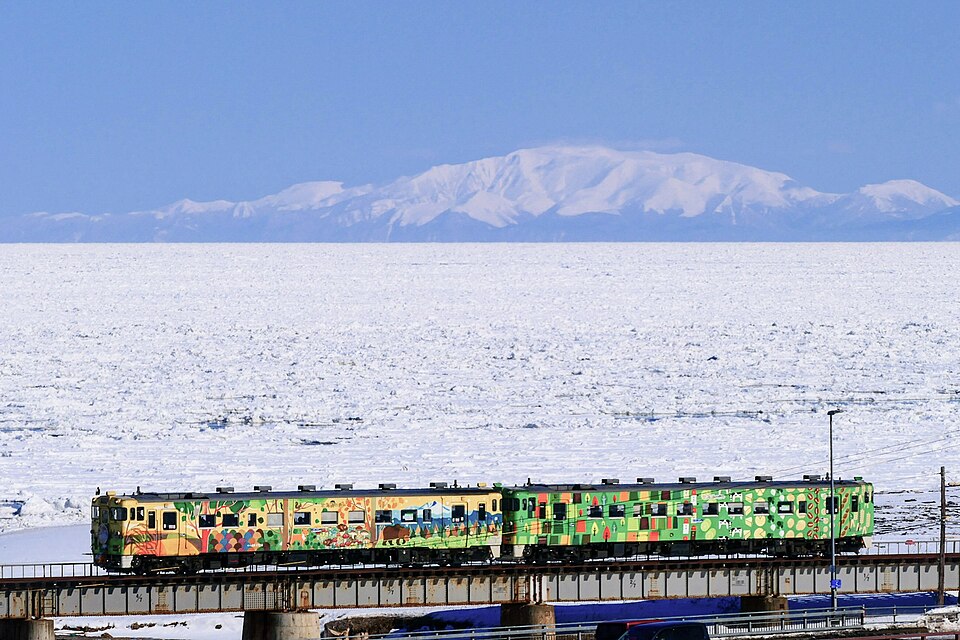
The Shiretoko Peninsula is home to a thriving ecosystem of brown bears, deer, foxes, shorebirds and sea creatures. In the winter months, the peninsula's Sea of Okhotsk coastline becomes part of a vast sea of drift ice. Think huge pieces of ice moving around on the sea like clouds in the sky. Spectacular! And also rare, as most drift ice landscapes are far north and basically almost impossible to see. Shiretoko is actually one of planet Earth's southernmost drift ice landscapes in the entire northern hemisphere. Shiretoko was added to the list of World Heritage Sites for the priceless value of the peninsula's ecosystem and biodiversity in 2005.
The best places to explore in Shiretoko National Park:
Kamuiwakka River: The literally hot Kamuiwakka River that runs through part of the Shiretoko Peninsula even has hot waterfalls! Tourists love to hike up the hot river, an experience said to be one of the best hot spring-related outdoor activities in Japan. The river has a quota system (an excellent idea!) and limits the number of visitors; advance reservations are a must.
The hot river hike leads the visitor up past three hot waterfalls to reach the base of a fourth. The higher you go the hotter the water! The water is extremely acidic, and the bed of the river is free of plant life and not slippery (as the banks of the river tend to be!). Climbing the three waterfalls is not without risk and all tourists intent on hiking the hot river must watch a preparatory video before their visit and have the proper equipment. During the hike, all people must wear helmets, which provided free of charge at the trailhead. Aqua shoes are super useful but if you don't bring any you may be able to rent them at the Shiretoko Nature Center (book ahead if you can!). Getting wet with hot water is unavoidable and some people even do the hike in bathing suits, so they can bathe enroute in the natural hot spring pools along the river hike. To get to the river you have to hike about 10 km from the Shiretoko Five Lakes area. So, bring a lunch and lots of water!
Hokkaido's famous Ryuhyo drift ice: Ryuhyo drift ice moves across the Sea of Okhotsk from northeastern Russia to the area near the Shiretoko Peninsula, starting in late January for about 90 days. Under ideal conditions, you can see drift ice from the peninsula's western coastal road. A number of ice drift tours depart from Utoro, including drift ice "walking" tours (in dry suits with a guide) that can also involve a bit of swimming between ice blocks! The main town of Utoro, the primary city on the peninsula (in the southwest corner), is connected by bus to JR Shiretoko Shari Station (the nearest train station to the Shiretoko Peninsula). There are also direct buses to Utoro from Memanbetsu Airport (two hours one way), which is a 50-minute flight east of New Chitose Airport outside of Sapporo City.
Cruises along the peninsula's western coast: From the end of April to late October, tourist boat cruises (again departing from Utoro) take visitors up the car-free or road-free northwest coast of the Shiretoko Peninsula. When fortunate boat cruisers can see a variety of Hokkaido wildlife, including brown bear families running around on the shoreline, deer and foxes. And when it comes to sea creatures you can expect to get real close to sea lions, dolphins, whales, and countless sea birds.
The natural beauty of the Shiretoko Five Lakes: The Shiretoko Five Lakes were formed by the eruption of nearby Mount Io. The lakes are fed by underground springs. Visitors can walk along an 800-meter elevated boardwalk to the first lake from mid April to mid November. A three km nature trail leads to all the lakes but is super popular but risky for bears in some periods. During peak bear activity from May to July visitors must join a guided tour group. In the other months, until November, a guide isn’t required, but the quota system still applies.
Furepe Waterfall: Shiretoko's Furepe Waterfall plunges down a seaside cliff on the west coast of the peninsula. The waterfall is fed by ground water and is not part of a river, making it uniquely spectacular. Furepe Waterfall is easy to walk to from the nearby Shiretoko Nature Center (which is also home to a small restaurant).
The east coast side of the Shiretoko Peninsula:
The east coast of the Shiretoko Peninsula is more remote and less visited overall but offers its own special places. The town of Rausu lies at the base of the eastern coast of the peninsula and offers tourists the basics for sleeping and eating (i.e., nothing fancy, which only adds to the rustic and atavistic experience of the area). The area's seaweed is a local delicacy if you are into trying seaweed at all! From Rausu you can go on whale and bird watching cruises from late April through September. Drift ice and sea bird cruises are possible from February to early March. If you are really planning to experience what these cruises offer, book well in advance!
Shiretoko Pass: Shiretoko Pass crosses the entire peninsula and reaches a maximum height of 740 meters above sea level between Utoro on the west side and Rausu on the east side. The hike across the pass offers amazing views of nearby Mount Rausu (nearly 1,700 meters high), and Kunashiri Island across the Nemuro Strait. The pass is one of the very first places to see autumn colors in Japan (early October).
- Indexed full list of all my blog posts | articles.
- Indexed full list of all my Japanese culture essays.
Japan private travel content by Your Japan Private Tours' (established in 1990) founder Japan travel expert Ian Martin Ropke. I have been planning, designing, and making custom Japan private tours on all five Japanese islands since the early 1990s. Your Japan Private Tours specializes in bespoke travel for private clients (I do not work with agents) including exclusive excursions, personalized experiences, and unique adventures. I am 100% client-centric and total individual attention. Consider my Japan travel services for your next trip. And thank you for reading my content. Learn more!